Course description

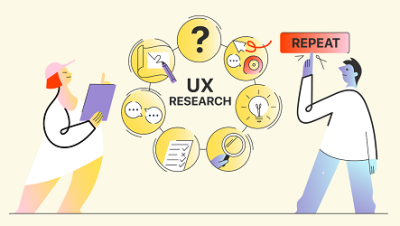
Basics of UX Research

  1. Purpose:

    • The primary goal of UX research is to gather insights into how users interact with a product, identify pain points, and understand user expectations. This information guides design decisions to enhance usability and satisfaction.
  2. Key UX Research Methods:

    • Qualitative Methods:

      • Interviews: One-on-one sessions with users to explore their experiences, attitudes, and pain points.
      • Usability Testing: Observing users as they perform tasks to identify usability issues and gather feedback.
      • Surveys & Questionnaires: Collecting self-reported data on user attitudes, preferences, or satisfaction.
      • Field Studies & Contextual Inquiry: Observing users in their natural environment to understand their context of use.
    • Quantitative Methods:

      • Analytics & Metrics: Tracking and analyzing user data (e.g., time spent on a task, success rate) to uncover patterns.
      • A/B Testing: Comparing two versions of a design to see which performs better in achieving a desired goal.
  3. Types of UX Research:

    • Generative Research: Helps to explore new opportunities, understand user needs, and generate ideas before designing.
    • Evaluative Research: Conducted to test and evaluate existing products or prototypes to identify usability issues and validate designs.
  4. Research Phases:

    • Discovery Phase: Exploratory research to gather information about the users and context of use.
    • Design Phase: Research during the design process to refine concepts and prototypes.
    • Testing Phase: Research to evaluate the usability and effectiveness of the final product or service.
  5. UX Research Tools:

    • Remote Testing Tools: Tools like UserTesting, Lookback, or Optimal Workshop help conduct usability tests remotely.
    • Analytics Tools: Google Analytics, Mixpanel, or Hotjar can help track and analyze user behavior on digital products.
    • Survey Tools: Qualtrics, Google Forms, or Typeform are commonly used for gathering user feedback.
  6. Importance of Stakeholder Engagement:

    • UX researchers often work closely with designers, product managers, developers, and business stakeholders to ensure the research findings are actionable and align with business goals.
  7. Creating Personas & Journey Maps:

    • Based on research findings, researchers create personas (fictional representations of users) and journey maps (visual representations of the user’s interaction with the product) to help teams empathize with users.
  8. Iterative Process:

    • UX research is not a one-time activity; it is iterative. Researchers continuously gather feedback and refine designs based on user input throughout the product lifecycle.
  9. Ethics in UX Research:

    • Ethical considerations include obtaining informed consent, ensuring privacy, and being transparent about the purpose of the research.

UX research is essential for creating products that are user-centered and effective, leading to better overall user satisfaction and business success.

What will i learn?

  • Gain a solid understanding of what UX research is and why it is critical to product design and development. Learn about the different types of UX research (qualitative and quantitative) and when to use each method.

Requirements

  • Familiarity with User Experience (UX) concepts or product design is beneficial but not always required for beginners.

Frequently asked question

UX research is essential for creating user-centred designs that meet the actual needs of users. It helps uncover usability issues, validates design decisions, reduces product failure risks, and enhances customer satisfaction.

Common UX research methods include: - Interviews and focus groups (qualitative) - Surveys and questionnaires (quantitative) - Usability testing - Field studies and contextual inquiry - A/B testing - Analytics and behavioural tracking

UX research can be conducted at different stages: - In the discovery phase understand user needs and define opportunities. - During the design phase validate prototypes and concepts. - In the evaluation/testing phase identify usability issues and ensure the product meets user needs before launch.

Common UX research tools include: - Remote usability testing platforms (e.g., UserTesting, Lookback) - Survey tools (e.g., Google Forms, SurveyMonkey, Qualtrics) - Analytics tools (e.g., Google Analytics, Hotjar) - Collaborative tools for creating journey maps or personas (e.g., Miro, Figma)

Ramanathan Haridoss

UX Research Strategist

I am a UX Research practitioner and design strategist, where I collaborate with companies that are strategically aligned, providing recommendations that balance user needs with business goals.

Free

Lectures

0

Skill level

Beginner

Expiry period

1 Months

Related courses